

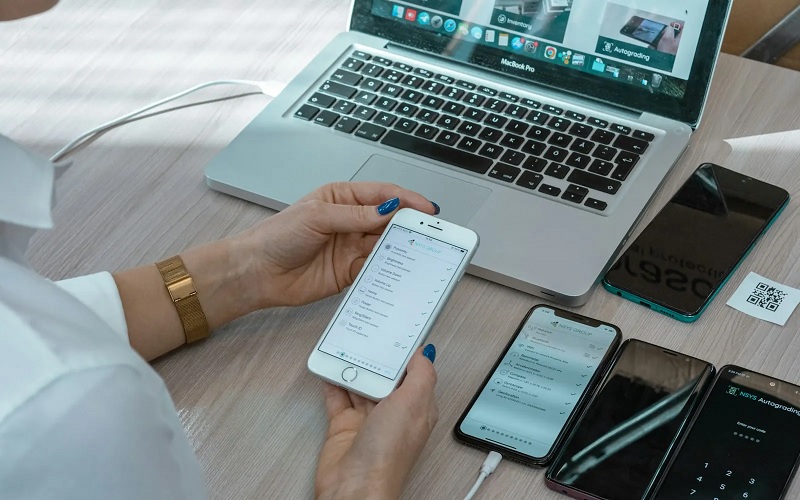
In the modern digital economy, the quality of a software application is rarely judged by the elegance of its codebase or the sophistication of its backend architecture. Instead, end-users measure quality through a remarkably narrow and subjective lens: how well the application performs on their specific device, at the exact moment they need it. You can engineer a platform with revolutionary features and lightning-fast database queries, but if the checkout button is obscured by a navigation bar on a three-year-old smartphone, the user will deem the entire product a failure. This dynamic shifts the strategic value of application compatibility testing from a routine quality assurance checkbox to a primary driver of customer satisfaction and retention.
The Reality of Hardware and Software Fragmentation
The consumer technology landscape is inherently chaotic. Hundreds of different hardware manufacturers, thousands of unique screen resolutions, varying processor capabilities, and highly fragmented operating system versions create a hostile environment for software deployment.
Development teams often build and initially test applications in highly controlled environments, utilizing pristine, high-end workstations and the latest flagship mobile devices. This creates a dangerous blind spot. A fluid, data-heavy animation that renders beautifully on a developer’s machine might degrade into a stuttering, unresponsive mess on a mid-range phone running an outdated operating system. Compatibility testing forces organizations to step out of their sanitized development environments and confront the messy reality of the consumer market. It guarantees that the application behaves predictably across the entire spectrum of supported hardware, ensuring that the software adapts to the user, rather than forcing the user to adapt to the software.
First Impressions and the Mathematics of Churn
The window of opportunity to impress a new user is brutally short. When a customer downloads a mobile app or logs into a web-based platform, they expect immediate, frictionless functionality. If the application crashes on launch, if the typography scales incorrectly and bleeds off the edge of the screen, or if a core hardware integration like the camera fails to initialize, the immediate reaction is profound frustration.
The High Cost of Application Abandonment
In highly saturated, competitive markets, consumers have zero tolerance for technical friction. A frustrated user will rarely wait for a patch or take the time to submit a detailed bug report; they will simply delete the application and download a competitor’s alternative. This immediate churn destroys customer acquisition investments and artificially inflates marketing costs. Customer satisfaction plummets before the user has even experienced the core value proposition of the product. Rigorous compatibility testing intercepts these fatal first-impression failures in the staging environment before the code ever reaches the public, safeguarding the critical onboarding experience.
Delivering Functional Equity Across User Demographics
A company’s user base is never uniform in its technology adoption. While a certain percentage of tech-savvy customers will upgrade their devices annually, a massive segment of the market holds onto older hardware for three to five years. Customer satisfaction hinges heavily on delivering functional equity—the assurance that a user on a budget tablet receives the same reliable, secure, and intuitive experience as a user wielding the newest premium device.
When organizations neglect backward compatibility or fail to test on lower-tier hardware, they inadvertently send a message that certain demographics of their user base are not valued. Testing across a wide, carefully researched matrix of devices ensures that your brand promise is delivered consistently to everyone. It protects your brand equity across diverse socioeconomic market segments, proving to your users that their business is valued regardless of the hardware they choose to operate.
Mitigating the Amplification of Public Reviews
Customer dissatisfaction is no longer a private conversation between a consumer and a support agent. Digital storefronts and software review platforms have democratized feedback, turning individual technical frustrations into highly visible public warnings.
The Viral Nature of Compatibility Bugs
A single, pervasive compatibility issue—such as an application instantly crashing upon opening on a specific, newly released operating system update—can trigger a cascade of one-star reviews within a matter of hours. These localized reviews permanently damage the application’s overall rating and aggressively deter thousands of prospective users who rely on social proof before initiating a download. By proactively identifying OS-specific conflicts, compatibility testing acts as a protective shield for your brand’s public reputation. It ensures that the reviews you receive are focused on the actual utility and design of your product, rather than preventable, hardware-specific glitches.
Navigating Network Variability and Environmental Transitions
Compatibility extends far beyond screen sizes and processor speeds; it heavily involves how different devices and operating systems manage environmental transitions. A user’s day is filled with environmental shifts: moving from a stable home Wi-Fi network to a spotty cellular connection on a subway, or minimizing an app to answer a phone call before returning to a half-filled form.
Different operating systems utilize vastly different protocols for memory management and background task suspension. If an application aggressively loses data when an older Android device temporarily suspends it to conserve RAM, the user experiences intense frustration upon returning to the app. Compatibility testing rigorously simulates these real-world environmental stressors. Validating how an app handles network drops, battery saver modes, and background suspensions ensures that the software acts as a resilient partner in the user’s daily life, rather than a fragile utility that breaks under everyday conditions.
Honoring Accessibility Standards Across Ecosystems
True customer satisfaction requires inclusivity, making accessibility testing a non-negotiable subset of compatibility testing. Both major mobile operating systems feature powerful native accessibility tools, such as dynamic text scaling, high-contrast modes, and native screen readers, but they implement them in entirely different ways.
An application that flawlessly supports Apple’s VoiceOver technology might remain completely illegible to Android’s TalkBack system if the code is not universally optimized. Furthermore, if a user relies on maximum text scaling to read comfortably, a poorly tested application might push critical navigation buttons completely off the screen, rendering the software unusable. Rigorously testing across these varied accessibility frameworks demonstrates a profound respect for your entire user base, cementing loyalty and satisfaction among demographics that are frequently overlooked by careless development practices.
Transforming Customer Support from Reactive to Strategic
Customer support teams are frequently the most direct casualty of poor compatibility testing. When an application is released with unresolved environmental conflicts, the support queue is instantly flooded with identical tickets detailing obscure, device-specific bugs. Attempting to troubleshoot a highly specific hardware conflict via email or chat is a deeply frustrating experience for both the customer and the support agent, further eroding goodwill.
By investing heavily in compatibility testing upfront, companies drastically reduce the volume of incoming technical support requests. This operational shift allows customer success teams to transition from reactive firefighting to proactive relationship building. Instead of spending hours apologizing for broken layouts and collecting device logs, your support staff can spend their time educating users on advanced features, gathering strategic product feedback, and upselling premium services.
The ultimate goal of software engineering is to make the underlying technology entirely invisible to the user. When an application works flawlessly regardless of screen orientation, network fluctuations, or hardware age, the user is free to focus entirely on the task they are trying to accomplish. This frictionless, invisible reliability is the bedrock of deep customer loyalty. By ensuring your product meets the user exactly where they are, operating seamlessly on the exact device they hold in their hands, you elevate your software from a disposable digital utility to an indispensable component of their daily routine.
Comments are closed.