

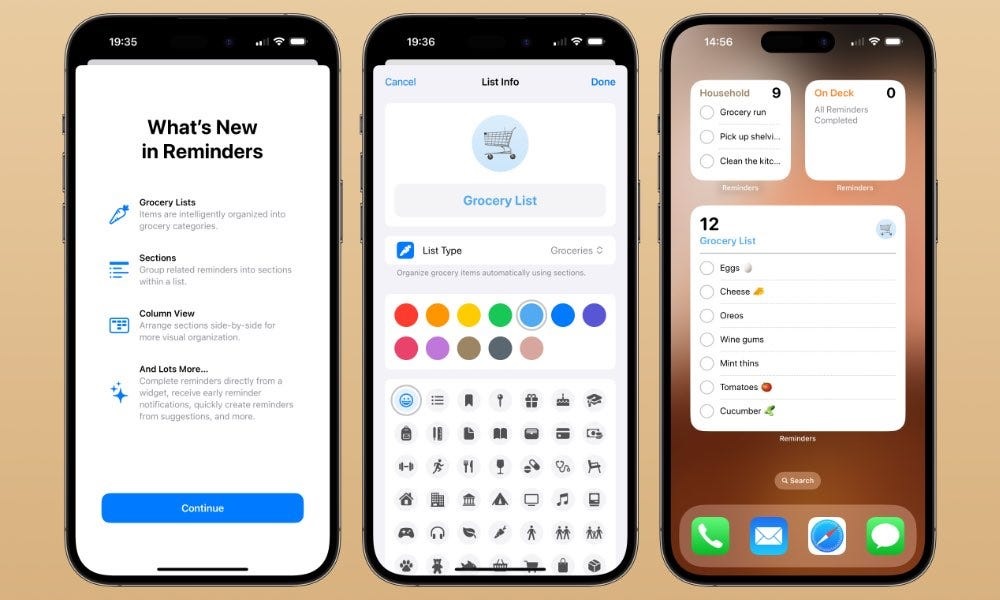
Modern daily life demands a relentless level of administrative upkeep. Between managing career deliverables, tracking household maintenance, remembering birthdays, and navigating a steady stream of incoming digital communication, the human brain is simply not engineered to hold every shifting variable simultaneously. We often treat our minds like infinite filing cabinets, trusting that we will magically remember to rotate the tires, pay the quarterly taxes, or pick up a specific brand of coffee on the way home. This reliance on sheer memory is not just inefficient; it is actively detrimental to our focus, productivity, and overall well-being.
The solution is not to try harder or to purchase a premium leather planner that inevitably gets left on the kitchen counter. The most effective strategy for managing the modern influx of everyday responsibilities is digital cognitive offloading. By leveraging reminder applications, you transition from trying to hold your life together with mental brute force to operating a streamlined, automated system. Understanding the profound benefits of these applications reveals that they are far more than simple digital to-do lists; they are foundational tools for reclaiming your time, your energy, and your peace of mind.
Alleviating Cognitive Load and Mental Fatigue
The most immediate and perhaps the most significant benefit of utilizing a dedicated reminder application is the sheer relief it provides to your working memory. Cognitive load refers to the total amount of mental effort being used in your brain at any given time. When you are mentally juggling a dozen unrelated tasks—from calling a client back to scheduling a veterinarian appointment—your brain is constantly burning background energy to ensure nothing slips through the cracks.
The Burden of Unfinished Tasks
Psychologists have long noted that the human brain fixates heavily on uncompleted tasks, a phenomenon that creates a persistent, low-level hum of anxiety. When you finally write a responsibility down and assign it a specific time and date in a reliable digital system, your brain effectively lets it go. You stop wasting mental bandwidth trying to remember what you are supposed to be doing. This process of externalizing your responsibilities frees up massive amounts of cognitive energy, allowing you to direct your full attention to the actual execution of the task at hand, rather than the anxiety of remembering it.
Creating Mental White Space
With your administrative obligations securely stored in an application, you experience what productivity experts call mental white space. This is the room required for deep work, creative problem-solving, and genuine relaxation. It is impossible to fully engage in a strategic business meeting or be fully present during a family dinner if the back of your mind is desperately trying to remember to renew your vehicle registration before midnight. A reminder app acts as a trusted external hard drive for your life, ensuring you can remain entirely present in whatever moment you are in.
Enhancing Daily Productivity and Execution
A written list on a piece of scrap paper is passive. It requires you to remember to look at it, decipher your own handwriting, and figure out what to do next. A digital reminder application, conversely, is active. It reaches out to you exactly when you need to take action, effectively eliminating the friction between planning and execution.
The Power of Contextual and Location-Based Alerts
Modern reminder applications leverage the hardware in your smartphone to provide alerts exactly when they are most useful. A time-based reminder is excellent for a scheduled phone call, but everyday responsibilities are often tied to physical locations. You can set an application to ping you to buy a specific furnace filter the moment your phone’s GPS registers that you have walked into a hardware store. Location-based reminders bridge the gap between intent and opportunity, ensuring that you capitalize on your current environment without having to rely on coincidence or a flawless memory.
Prioritization and Categorization
Not all responsibilities hold the same weight. Picking up dry cleaning is not as critical as submitting a finalized legal contract. Reminder apps allow you to aggressively categorize, color-code, and assign priority levels to your daily inputs. Instead of staring at a massive, overwhelming wall of tasks, you can filter your view to only show what is urgent today, what is related to your career, or what needs to be handled over the weekend. This strategic compartmentalization prevents the paralysis that often occurs when we are faced with too many competing demands.
Reducing Friction in Household and Financial Operations
The logistics of running a household and managing personal finances require absolute consistency. These are areas where dropped balls often carry tangible, expensive consequences. Reminder applications excel at managing the repetitive, unglamorous tasks that keep a life running smoothly without requiring you to constantly reinvent the wheel.
Automating Recurring Domestic Chores
Household maintenance is highly cyclical. The HVAC filters need to be changed every ninety days, the smoke detector batteries require annual replacement, and the gutters must be cleaned every autumn. Trying to track these intermittent responsibilities on a traditional calendar quickly clutters your schedule. Setting up recurring reminders allows you to build out a robust, automated maintenance routine for your entire property. The app simply taps you on the shoulder when it is time to perform a chore, and once marked complete, it automatically reschedules itself for the next interval.
Financial Reliability and Penalty Avoidance
Late fees, interest rate hikes, and missed subscription cancellations are entirely avoidable financial leaks. While auto-pay features are helpful for static bills, many financial responsibilities require manual intervention. You might need to move funds between accounts before a closing date, pay variable invoices for freelance contractors, or cancel a software streaming service before a free trial expires. By treating every financial deadline as a hard-coded reminder, you eliminate the costly penalty of human error. You protect your credit score and keep your household budget tightly managed, all because you outsourced the tracking to software.
Establishing and Sustaining Healthy Habits
We often fail to build new habits not because we lack willpower, but because we lack a consistent trigger. Building a new routine—whether that is drinking more water, practicing a new language for twenty minutes a day, or taking specific daily vitamins—requires a prompt to initiate the behavior until it becomes an automatic reflex.
Overcoming the Initiation Hurdle
A reminder application serves as that uncompromising trigger. When you are attempting to establish a daily stretching routine, an alert that goes off at the exact same time every evening eliminates the need for spontaneous motivation. You do not have to decide to stretch; you simply have to follow the instruction glowing on your screen. Over time, the repetition builds the neural pathways necessary for the habit to stick, eventually allowing you to perform the action without the digital prompt.
Micro-Habits and Incremental Growth
Major life changes are rarely the result of massive, overnight overhauls. They are the product of tiny, consistent actions compounded over months and years. Reminder apps are the perfect vehicle for managing micro-habits. A daily ping to read ten pages of a book, a weekly prompt to back up your computer hard drive, or a monthly nudge to review your investment portfolio ensures that these small but vital actions are actually executed rather than perpetually delayed.
Strengthening Personal and Professional Relationships
It is easy to assume that digital productivity tools make us more robotic, but when used correctly, they actually make us more attentive and empathetic. Maintaining strong relationships requires consistent communication and a demonstrated ability to remember the details that matter to other people.
The Architecture of Thoughtfulness
Nobody naturally remembers every anniversary, every friend’s upcoming job interview, or the specific date a colleague is returning from medical leave. Capturing these details in a reminder system allows you to manufacture thoughtfulness. Setting an alert to text a friend good luck on the morning of their big presentation, or reminding yourself to ask a client about their recent family vacation, demonstrates a level of care and attention that sets you apart. You are not faking empathy; you are using technology to ensure your genuine intentions translate into actual behavior.
Professional Reliability
In the workplace, nothing builds a stellar reputation faster than absolute reliability. When you tell a colleague you will get a file to them by Thursday afternoon, and you immediately put a reminder in your phone for Thursday morning to send it, you become the person who never drops the ball. You eliminate the need for others to constantly follow up with you, thereby reducing their cognitive load as well.
The integration of a reminder application into your daily workflow is not about trying to cram more work into a twenty-four-hour period. It is a fundamental shift in how you manage the friction of modern life. It is the conscious decision to stop treating your brain like a poorly organized storage unit and start treating it like a processor, capable of deep thought, creativity, and genuine connection.
When you diligently capture your commitments, automate your recurring responsibilities, and leverage contextual alerts, you build a safety net under your entire life. You eliminate the panicked realization that you forgot something critical. You stop waking up at three in the morning worried about an incomplete household chore. By outsourcing the administrative heavy lifting to a reliable digital system, you buy back your most precious resources: your time, your focus, and your freedom to simply live.
Comments are closed.