

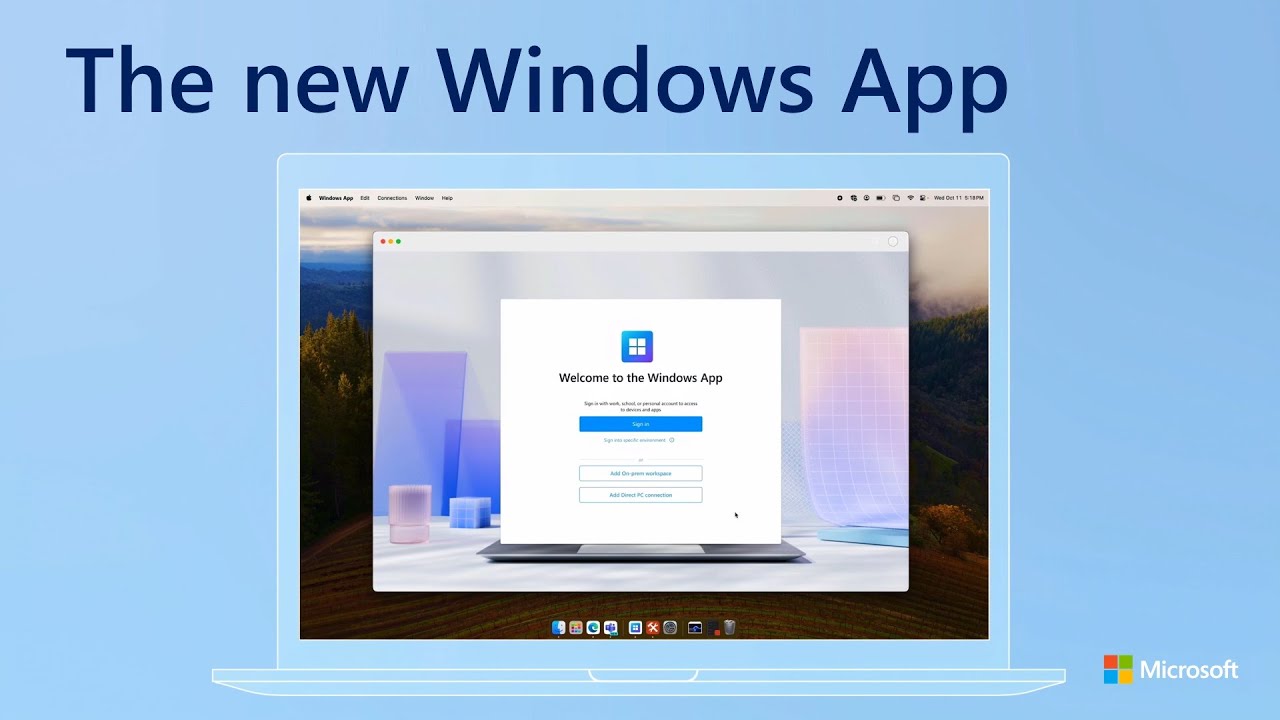
Introduction: The Word ‘Application’ Reimagined
Once upon a time, the word ‘application’ conjured up images of handwritten forms submitted to banks, schools, or employers. Today, that same word signifies an entire universe of digital tools that shape our daily routines, fuel business empires, and underpin modern civilization’s appetite for efficiency and immediacy. From the app icons that decorate our smartphones to the vast enterprise software suites that orchestrate global operations, applications have become extensions of human will and ingenuity.
Tracing the Roots: From Monolithic Software to Modular Apps
Applications, in their early incarnations, were monolithic programs built to run on a single machine, serving a singular, often cumbersome, purpose. Decades ago, software developers created massive desktop applications like Microsoft Word or Lotus Notes—complex systems with sprawling menus and dense feature sets. Installation required disks, licensing keys, and often the steady hands of an IT professional.
With the advent of the Internet and the proliferation of connected devices, the definition of an application shifted dramatically. Software migrated to the cloud. Programs once tied to a desktop broke apart into modular services and sleek mobile apps. These lighter, more focused tools embodied a new philosophy: do one thing brilliantly, and do it with a user experience that feels intuitive, even delightful.
The Anatomy of a Modern Application
What makes a modern application tick? At its core, every application marries three critical elements: purpose, design, and usability.
-
Purpose: A great application exists to solve a specific problem, whether that’s managing personal finances, booking a flight, or editing photos with professional finesse.
-
Design: The interface must balance aesthetic appeal with functional clarity. Color palettes, typography, and iconography harmonize to guide the user effortlessly.
-
Usability: An application’s value hinges on its ability to perform consistently, respond swiftly, and adapt to a user’s evolving needs.
Today’s leading applications are underpinned by robust back-end architectures—APIs, cloud storage, security protocols—yet shield the user from this complexity with clean, elegant front-ends.
Types of Applications: A Diverse Ecosystem
Applications now flourish in various forms, each adapted to unique platforms and contexts. Broadly speaking, they fall into a few major categories:
-
Desktop Applications: Traditional software installed on a personal computer. Think Adobe Photoshop or AutoCAD.
-
Web Applications: Programs accessible via a browser. These have transformed industries—Google Docs and Slack are prime examples.
-
Mobile Applications: Downloaded onto smartphones or tablets, they epitomize convenience and on-the-go functionality. From WhatsApp to Spotify, mobile apps have woven themselves into the fabric of everyday life.
-
Enterprise Applications: These massive, interconnected systems drive business processes, from CRM tools like Salesforce to ERP solutions that manage supply chains and accounting.
Each category answers a distinct set of user needs, governed by the same overarching principles of reliability, security, and user-centered design.
Applications and the Business Landscape
The modern application is not merely a product; it’s a strategy. Start-ups and global corporations alike recognize the app as a bridge between their vision and the customer’s fingertips. A well-crafted application can transform a fledgling idea into a billion-dollar brand. Consider Uber, whose app redefined urban transportation, or TikTok, whose short-form video format captivated millions through seamless usability and addictive design.
Companies invest heavily in application development because apps offer:
-
Direct Engagement: An app sits on a user’s device, acting as a constant point of contact.
-
Data Insights: Applications collect valuable data on user behavior, feeding back insights to refine products and marketing.
-
Revenue Streams: Many apps are themselves monetized through subscriptions, in-app purchases, or advertising.
In this sense, the humble ‘app’ has become a linchpin for business innovation and digital transformation.
Design Thinking: The Soul of Exceptional Applications
Applications that stand the test of time do more than work—they enchant. Behind every intuitive swipe or satisfying click is a team steeped in design thinking, an approach that places the user at the heart of development. Designers and developers collaborate, iterate, and test relentlessly to ensure that each feature enhances the experience rather than bloating it.
Apple’s app ecosystem illustrates this principle beautifully. The company’s rigorous App Store guidelines enforce high standards of design, functionality, and privacy. This insistence on quality shapes user expectations across the entire industry.
Security and Ethics in Application Development
As applications become more intertwined with our private lives, the stakes rise. Security is no longer an afterthought—it’s a cornerstone. Applications must guard sensitive data, resist breaches, and comply with privacy laws like the GDPR. Ethical questions abound too. Should an application track location data? How transparent should permissions be? Developers now shoulder a profound responsibility to balance innovation with trust.
The Future: Intelligent, Adaptive, Ubiquitous
What does tomorrow hold for applications? The trajectory points toward intelligence and ubiquity.
-
Artificial Intelligence: Smart applications learn from user behavior, personalize experiences, and automate routine tasks. Virtual assistants like Siri and Alexa foreshadow an era where apps not only respond but anticipate.
-
Cross-Platform Fluidity: Progressive Web Apps (PWAs) and hybrid frameworks blur the lines between web and mobile, promising seamless experiences regardless of device.
-
Augmented and Virtual Reality: Applications will increasingly immerse us in digital realms, expanding the canvas for education, entertainment, and work.
-
Internet of Things (IoT): Apps will command not just screens but smart homes, connected cars, and wearable devices, orchestrating complex ecosystems with a tap or a voice command.
Conclusion: Applications as Modern Marvels
From their humble origins as static programs to today’s dynamic, cloud-powered wonders, applications encapsulate the boundless creativity of the human mind. They are tools, companions, and portals to possibilities once unimaginable. In an age where technology shapes identity, work, and community, the application stands as a testament to our relentless quest to connect, simplify, and inspire.
As we glance at the familiar icons on our devices, we are reminded that behind each lies a story—a marriage of art and engineering, vision and execution. The next time you tap to open an app, pause to appreciate this modern marvel: an idea made tangible, ready to serve at the speed of thought.
Comments are closed.